TARGETED INTERVENTION PROJECT FOR FEMALE SEX WORKERS
The SCOPE India–TANSACS Targeted Intervention (TI) Project is a long-running HIV/STI prevention and community-support programme implemented by SCOPE India in Cuddalore District, Tamil Nadu. According to SCOPE India's published annual reports, the project has been implemented since 2012, with its primary target population being Female Sex Workers (FSWs) and other people within the high-risk-group framework. ScopeIndia+1
Important data note: The figures you provided — target: 1,200 FSWs; current/on-going population: 1,413; PLHIV: 32 — appear to be the project's current figures. I found public SCOPE India reports confirming the project, its location, objectives and historical performance, but I did not find a publicly available source independently confirming those exact current figures. I therefore present them below as the current project figures supplied for this report.SCOPE India's 2025–2026 annual report specifically identifies the assignment as “Targeted Intervention for Female Sex Workers,” located in Cuddalore District, and states that the TANSACS project has been administered by SCOPE India since 2012. The report also records 17 staff involved in the project during that reporting period. Scope India
Background of TANSACS and the Project : TANSACS — Tamil Nadu State AIDS Control Society — functions as the state-level structure for implementing India's HIV/AIDS control programme in Tamil Nadu. At the national level, NACO (National AIDS Control Organisation) provides leadership for India's HIV/AIDS response, while State AIDS Control Societies implement the programme at state level. NACO Targeted Intervention is an important component of the national HIV response. NACO describes targeted interventions as focusing on populations with elevated HIV vulnerability, including Female Sex Workers, MSM, transgender people and people who inject drugs, alongside other vulnerable populations. Community outreach, counselling, condom promotion, HIV testing/referral and linkage to treatment are central elements of this approach. NACO Within this framework, SCOPE India has implemented the FSW-focused intervention in Cuddalore since 2012. The project is therefore not simply an awareness programme; it is intended to provide a continuing prevention-and-linkage system for a defined high-risk population.
Major Objectives of the Project : Another major component is reducing sexually transmitted infections among FSWs and their clients.The project facilitates identification, treatment and referral for STI-related problems and promotes regular medical care.
Condom promotion : Condom availability and consistent use are important components of the intervention.SCOPE India's historical reporting shows substantial condom demand and distribution activity. For example, in 2025–26 the project reported quarterly condom demands of 31,572, 31,920 and 31,080, with corresponding distributions of 28,554, 23,590 and 31,072. This illustrates the scale of the prevention commodities component.
HIV testing and referral : The project supports HIV testing among eligible beneficiaries and facilitates linkage to appropriate government health services.In 2025–26, SCOPE India reported that newly identified HRGs were provided HIV testing and that HIV-positive cases identified through the programme were linked to an ART Centre.
Counseling : Individual counseling is an important service, covering HIV/STI prevention, safer sexual practices, testing, treatment adherence and other health-related concerns.The project also reports counseling for PLHIV.
Community mobilization : The intervention works through community participation, including Peer Educators and outreach workers. This approach is particularly important for reaching people who may face stigma, discrimination, mobility or difficulty accessing conventional health services. NACO similarly describes community-based outreach and trained community workers as important components of HIV prevention and service linkage.
Project Significance in Cuddalore : The long-term implementation of the project since 2012 provides continuity of HIV prevention services for the FSW community in Cuddalore. Its significance can be understood at several levels - 1). Public health , 2). Early identification , 3). Treatment linkage , 4). Prevention commodities , 5). Community trust , 6). Continuity of care.
Key Achievements : Based on the documented history and the current figures supplied, the project's major achievements can be presented as follows - 1). Long-term implementation form 2012 , 2). Expansion of programme reach , 3). Continued PLHIV follow-up , 4). Comprehensive intervention , 5). Established community outreach , 6). Government-programme integration , 7. Documented performance .
The SCOPE India–TANSACS FSW Targeted Intervention Project represents a sustained community-based HIV prevention programme in Cuddalore that has been operational since 2012. Its documented approach is consistent with the broader NACO/TANSACS targeted-intervention model: reaching vulnerable populations through community outreach, HIV/STI prevention, condom promotion, counselling, testing, referrals and linkage to treatment. ScopeIndia+1 . The project's current figures — 1,200 target, 1,413 on-going FSW/HRG population and 32 PLHIV — indicate a sizeable intervention with a population currently exceeding its stated target. The 32 PLHIV also demonstrate the importance of maintaining a strong prevention-to-care continuum, rather than treating the programme solely as an HIV-awareness initiative.The historical evidence shows that SCOPE India has maintained structured monitoring of registration, ongoing population, regular contact, individual contact, clinical visits, HIV testing, STI services, condom distribution and PLHIV follow-up. The organisation's published reports further record an A+ project ranking for 2021–22 and 2022–23. Scribd+1 For the next phase, the most important programme-management priority is to ensure that the 1,413 current beneficiaries are accurately classified, regularly contacted and appropriately linked to HIV/STI prevention and treatment services, while maintaining specific follow-up for the 32 PLHIV.SCOPE India's published reports document strong performance in multiple service indicators and report an A+ overall project rank in both FY 2023–24 and FY 2024–25.
ALTERNATIVE LIVELIHOOD FOR DISABLED AND DEPRIVED
This program aims to improve the levels of living of the poor people through education & training and eradication of poverty, unemployment & underemployment.Resource and skill based livelihood promotion, Convergence and alliance building for livelihood promotion, CSR (Corporate Social Responsibility) as a means of livelihood promotion, Capacity building of vulnerable groups especially children, youth and women for the promotion of AGP/IGP/EDP - social entrepreneurship, Establishing alternative livelihood center and creating sustainable livelihood models ,Rejuvenation of inherited livelihood avenues Activities: Survey of livelihood resources & Options ,Identifying gaps in asset requirements and availability, Identifying capabilities, and areas where improvements are needed ,Linking assets and capabilities, establishing backward and forward linkages, Make people participate in local self government, Gram Sabha, and raise issues related to livelihood and employment generation schemes. Establishing alternative livelihood centers and creating sustainable livelihood models
TANSACS FSW
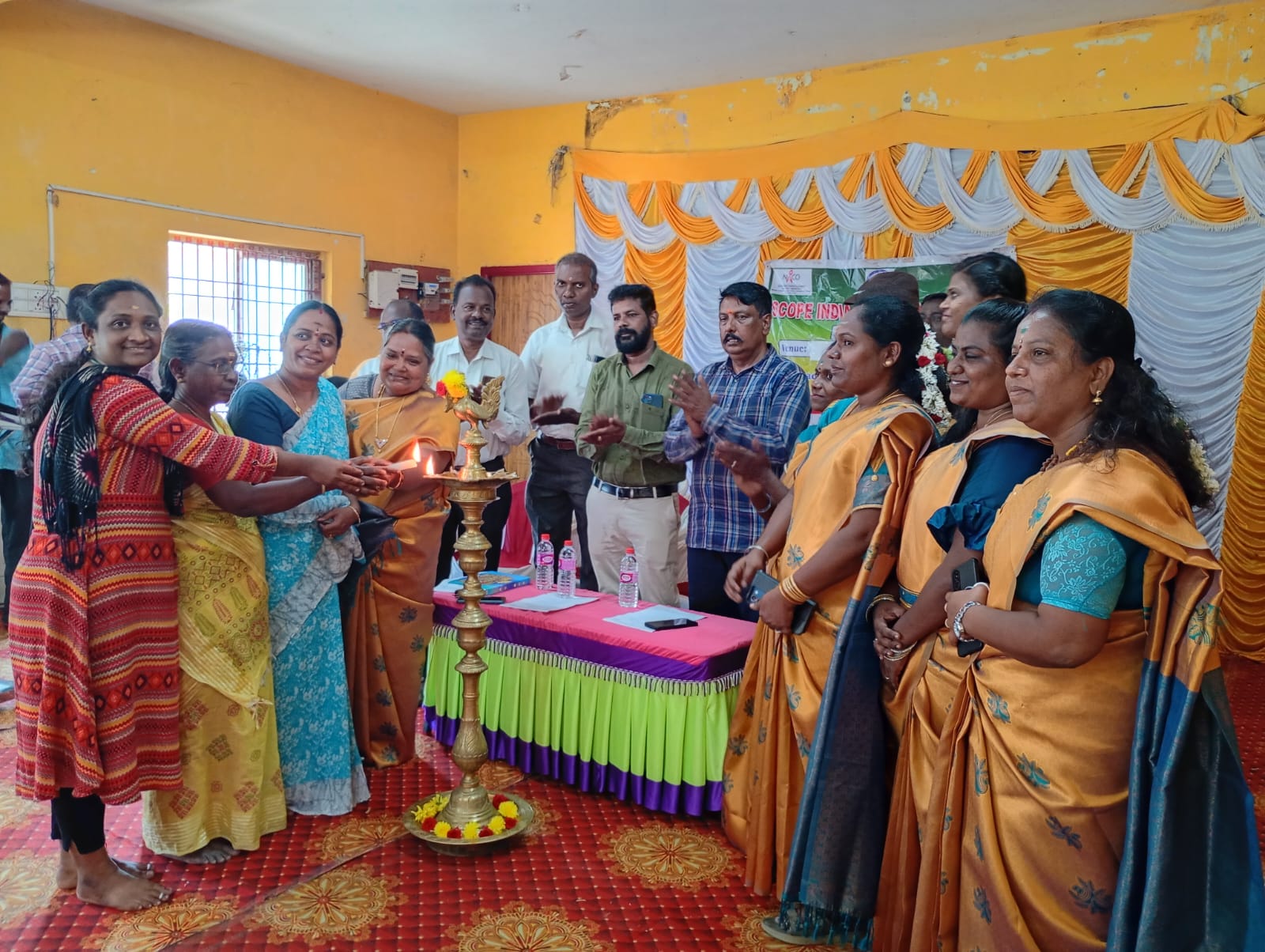
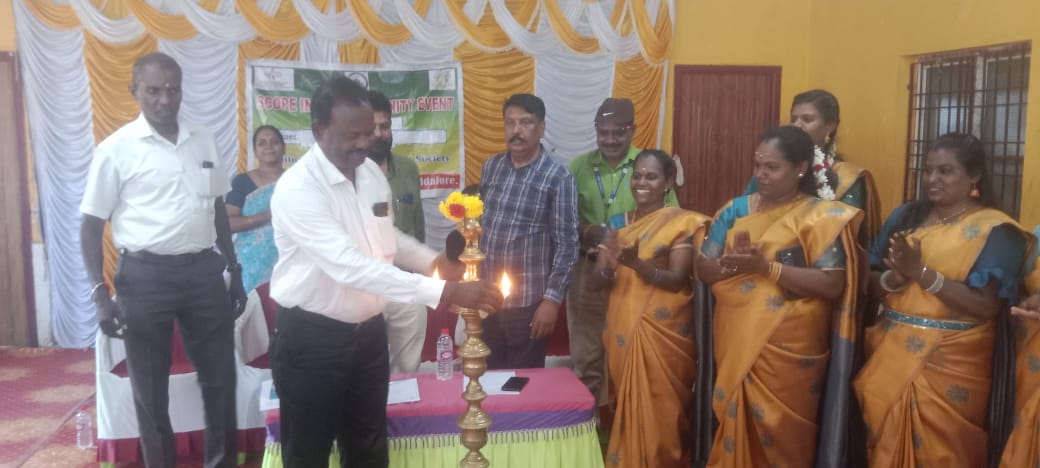
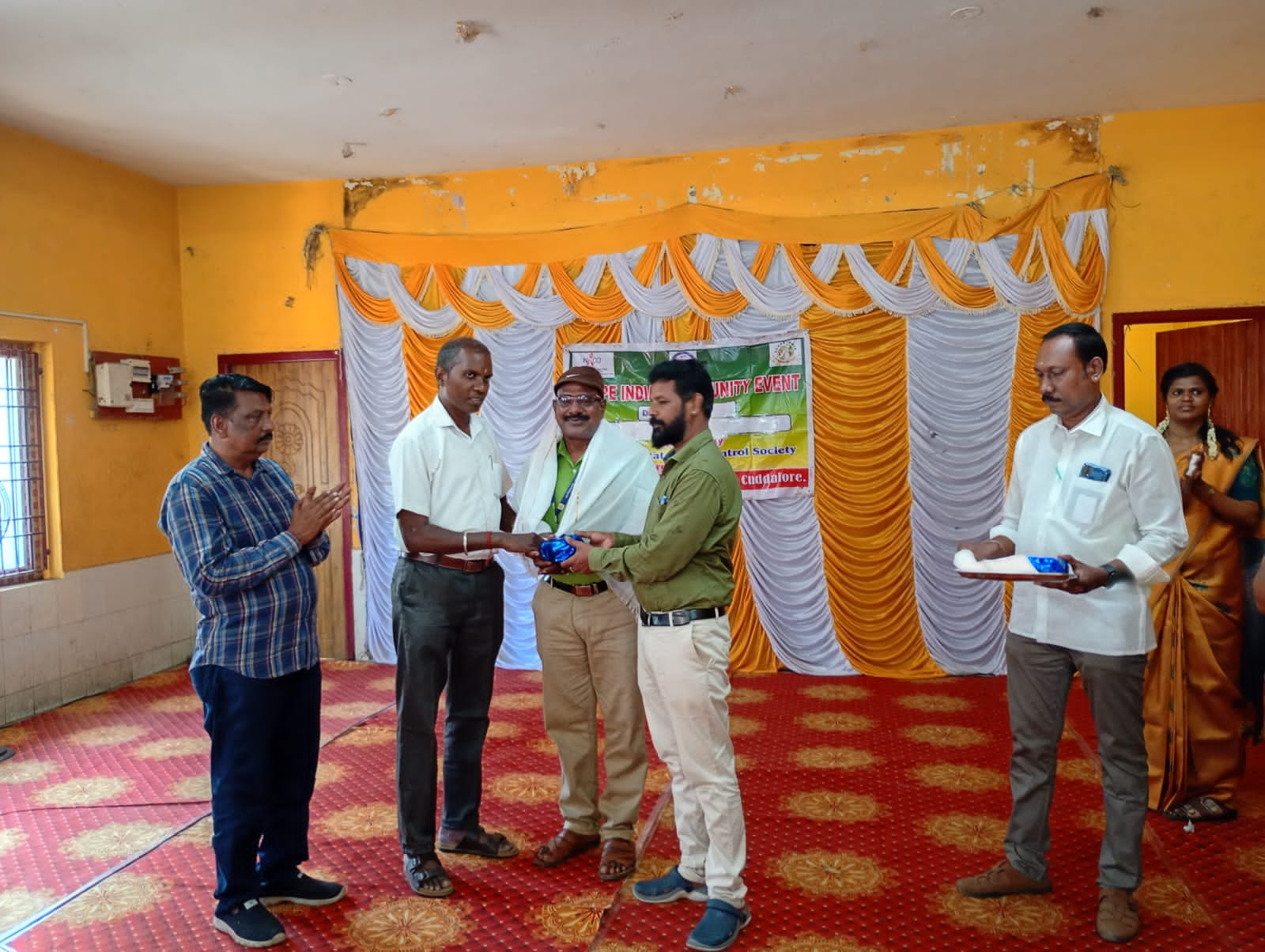
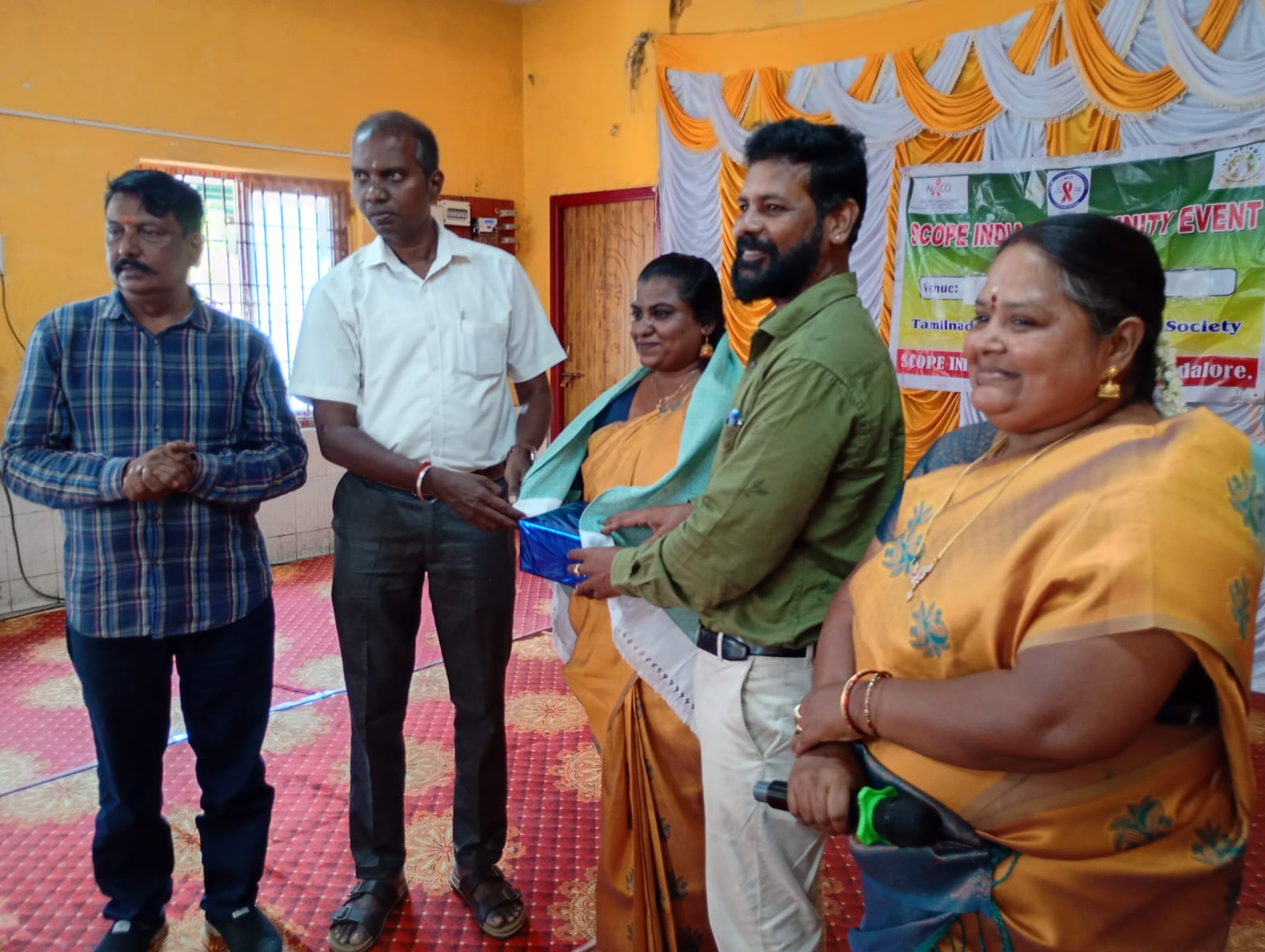
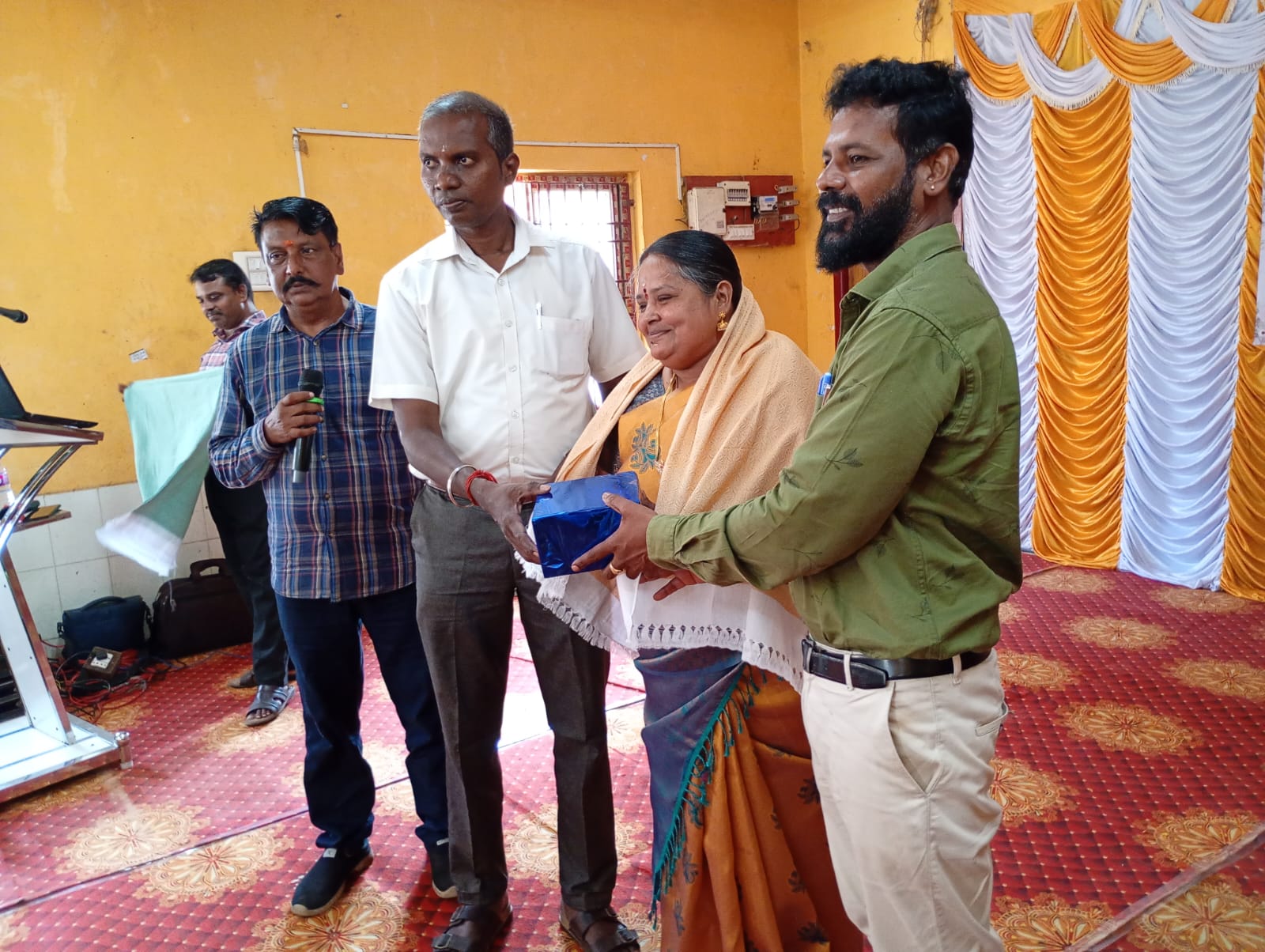
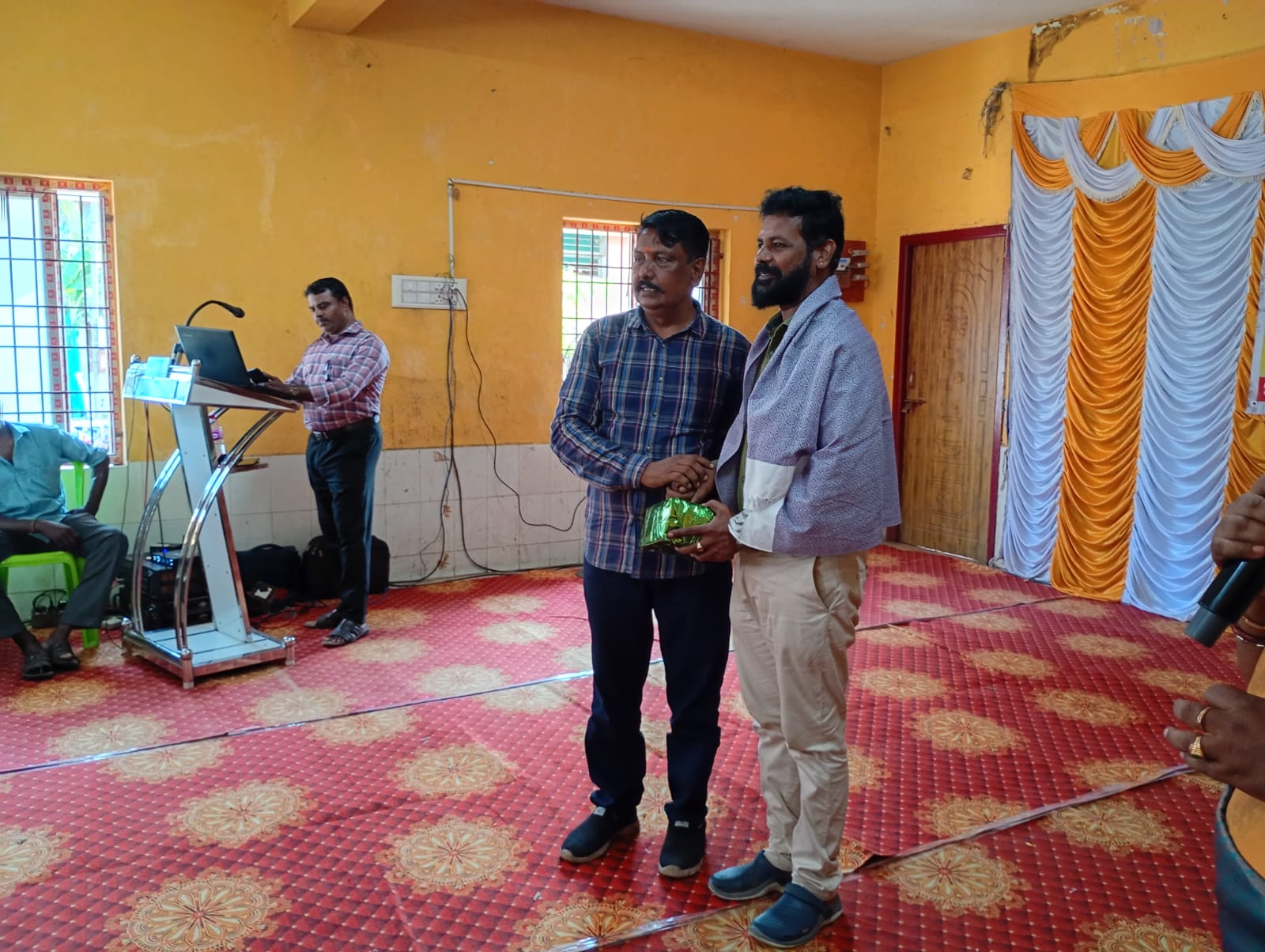
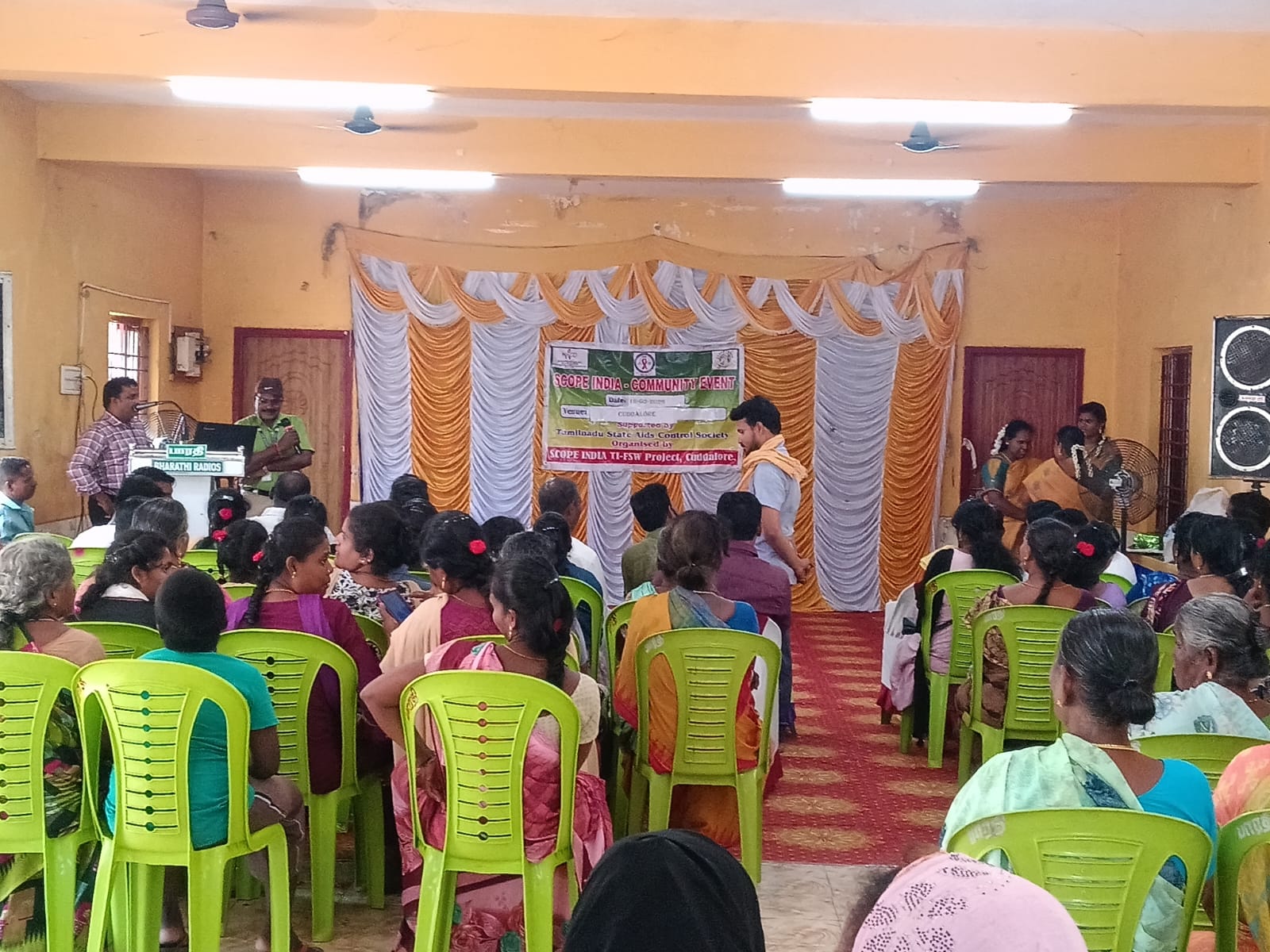
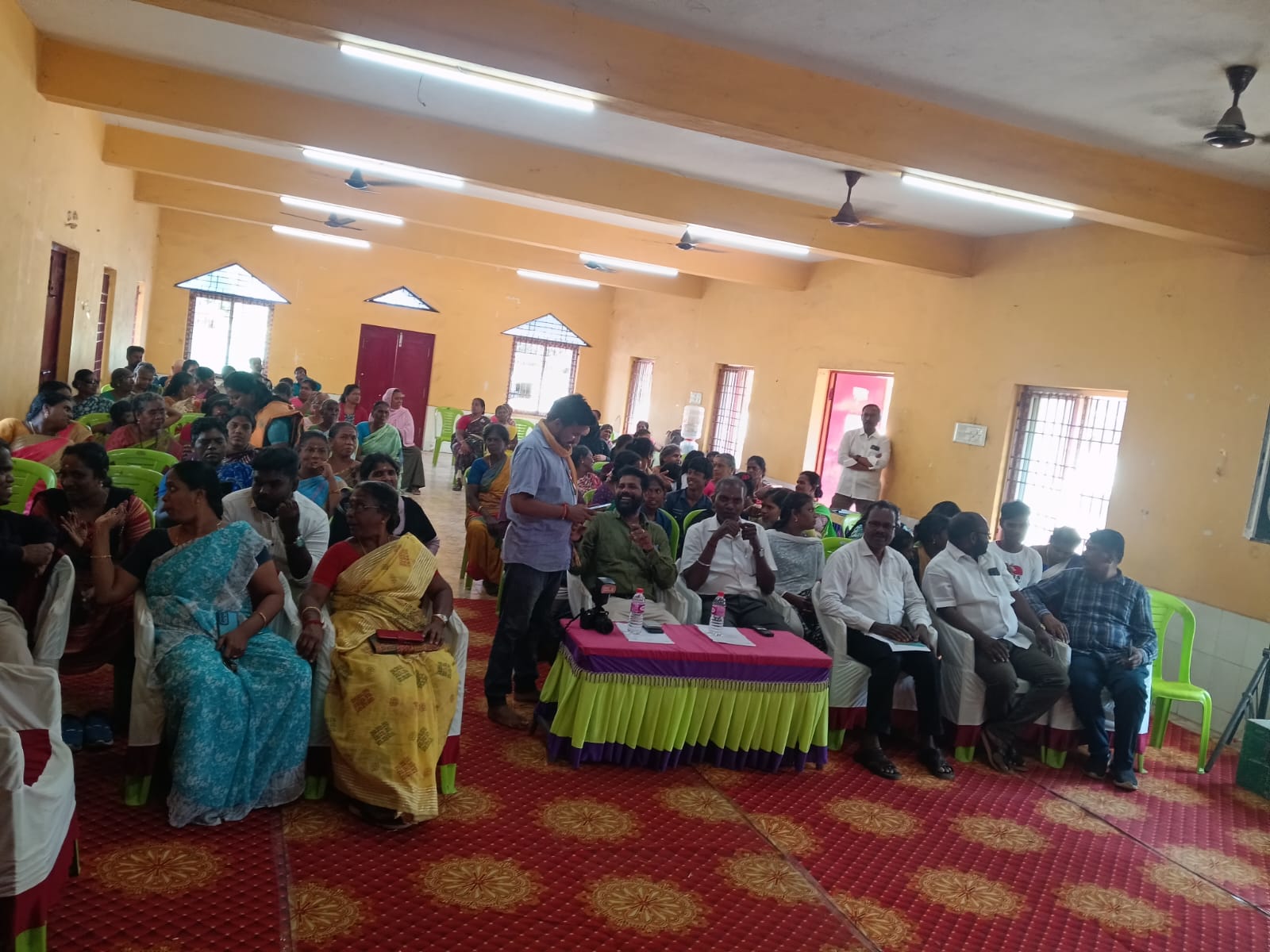
TANSACS FSW PROJECT REPORTS
TANSACS FSW PROJECT REPORTS
1). Community Event Report - ( 27.01.2026 )
2). Health Camp Report - ( 28.01.2026 )
3). Health Camp Report - ( 29.01.2026 )
4). Health Camp Report - ( 27.02.2026 )
5). Community Event Report - ( 27.02.2026 )
6). Health Camp Report - ( 05.03.2026 )
7). Community Event Report - ( 16.03.2026 )
8). Community Event Report - ( 18.03.2026 )
9). Advocacy Report - ( 04.07.2026 )
10). Health Camp Report - ( 14.07.2026 )
11). Community Event Report - ( 26.09.2026)
12). Grama Sabha Meeting - ( 02.10.2026 )
LIVELIHOOD FOR DISABLED


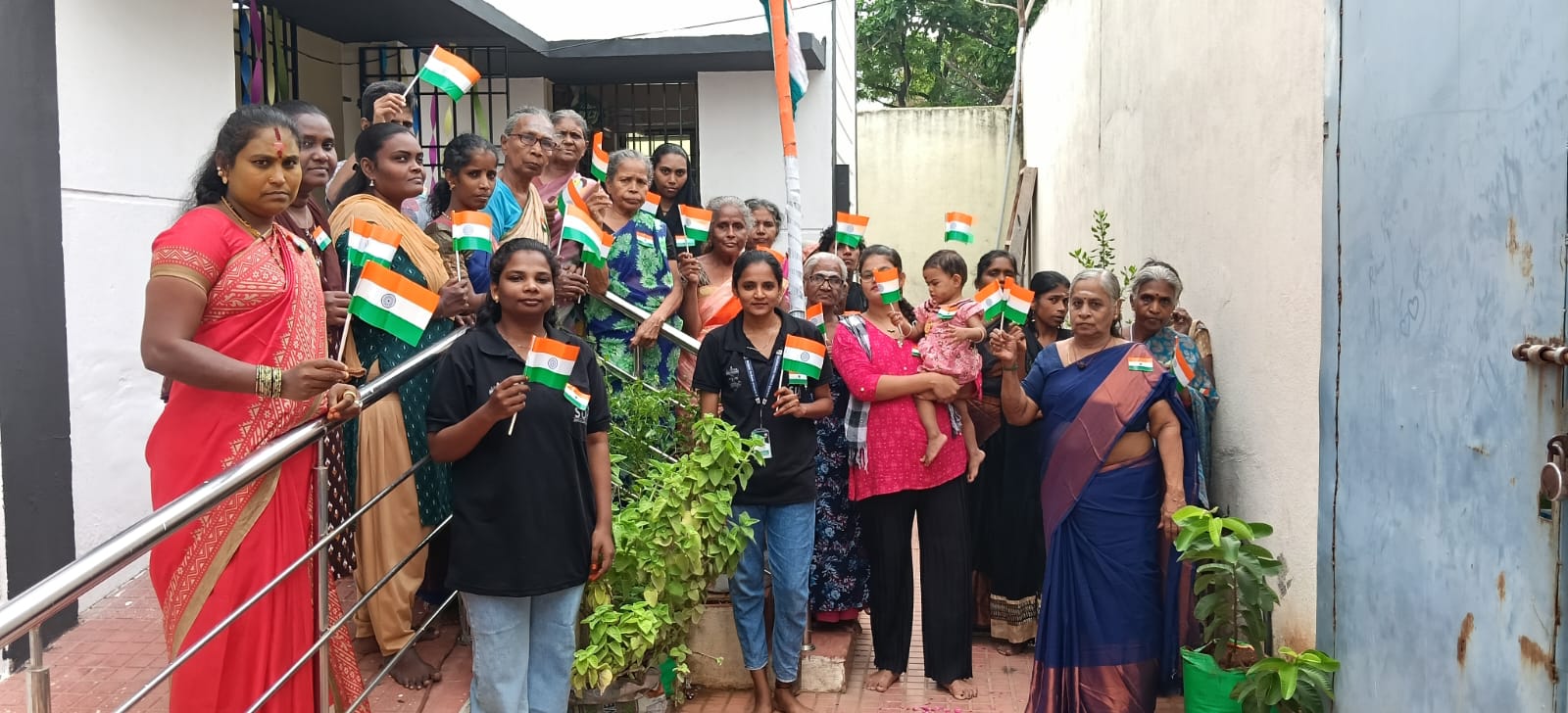
1) Kammiyampettai Home Report 2023-24
2) Tirupapuliyur Home Report -2024
3) Women shelter Annual report 2026
4) Hospital shelter Annual report 2026